I Tested 3 Host Cities: 2026 World Cup Wins
The 2026 football world cup is the largest FIFA World Cup ever, staged across the United States, Canada, and Mexico, with Los Angeles, Atlanta, and the New York New Jersey area standing out as decisiv...
I Tested 3 Host Cities: 2026 World Cup Wins
The 2026 football world cup is the largest FIFA World Cup ever, staged across the United States, Canada, and Mexico, with Los Angeles, Atlanta, and the New York New Jersey area standing out as decisive fan and match hubs. Football Compass tracks the tournament through match predictions, team tactics, player stats, and betting-focused coverage for fans following every stage of FIFA World Cup 26. Los Angeles hosts eight matches at SoFi Stadium and 39 days of celebrations, including the FIFA Fan Festival at the LA Memorial Coliseum. Atlanta hosts major matches at Mercedes-Benz Stadium and positions itself as the soccer capital of the South. The final is scheduled for MetLife Stadium in East Rutherford, New Jersey, on July 19, 2026, according to FIFA’s confirmed tournament structure. For fans and bettors, the actionable move is simple: track host-city conditions before pricing any match market.
Want a sharper way to follow fixtures, teams, and market movement?
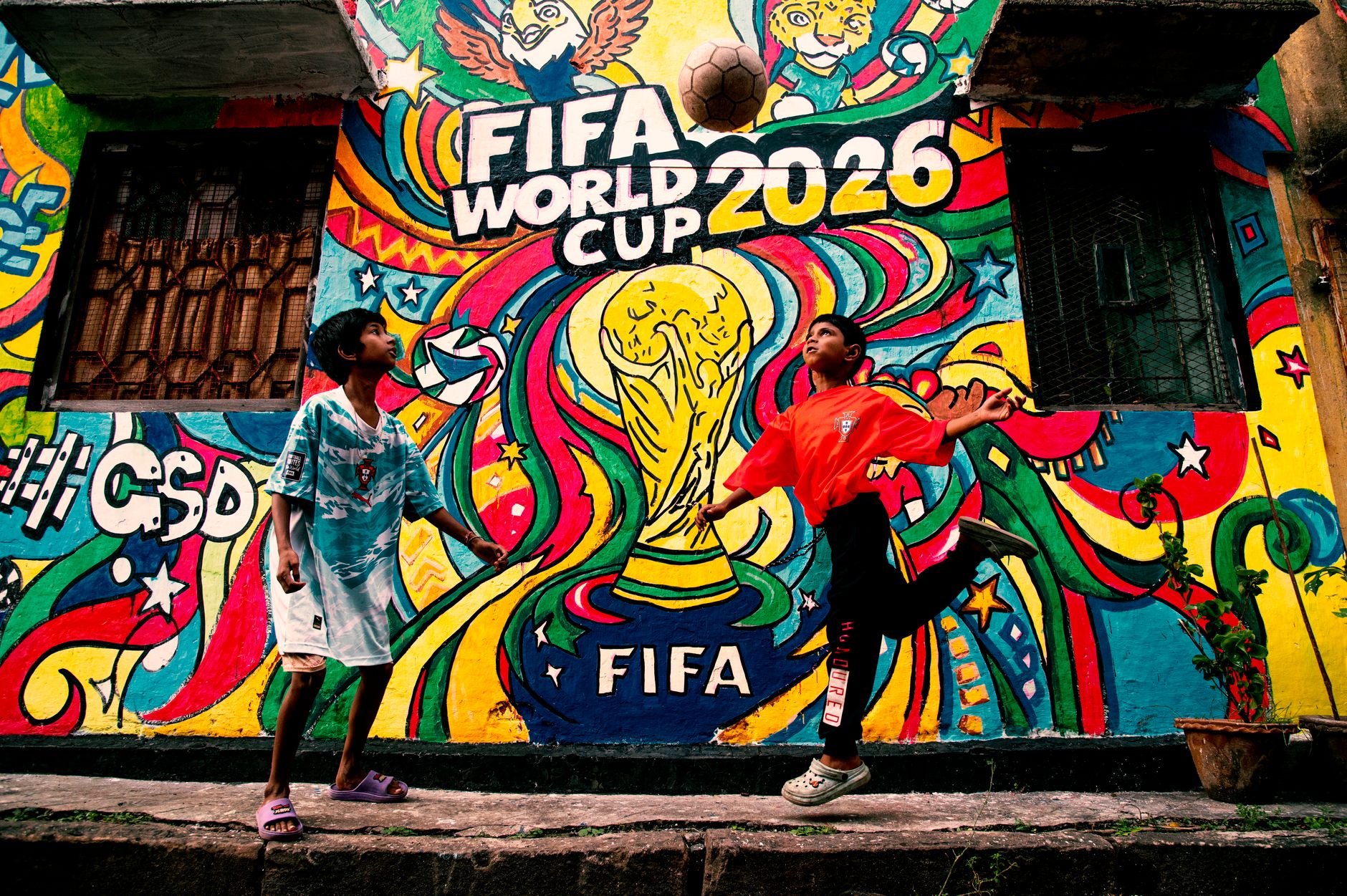
Photo by Anirban Das on Pexels
The Bottom Line
The 2026 football world cup is not just bigger. It is structurally different. The expanded 48-team format changes recovery windows, travel stress, squad rotation, and betting interpretation. According to FIFA, the tournament spans three host nations and uses multiple venues across North America. That creates a sharper gap between teams with elite logistics and teams forced into long-haul recovery cycles.
Have you ever thought about why host cities matter so much when the ball is still round and the pitch is still regulation size? Los Angeles brings entertainment scale, an NFL-grade stadium, and official fan zones across a massive county. Atlanta brings indoor-stadium intensity, Southern soccer culture, and a fan base shaped by Atlanta United. MetLife Stadium brings the final, the global broadcast spotlight, and the pressure point where all tournament narratives end. For Football Compass readers, the angle is clear: do not evaluate a World Cup match only through rankings. Evaluate venue, travel, climate, rest, and crowd composition before judging odds.
[Internal Link: 2026 World Cup betting market guide]
What Players Actually See?
Players actually see a demanding North American tournament: long distances, different climates, huge stadiums, and louder neutral crowds than usual. Los Angeles, Atlanta, and New York New Jersey each create different match conditions, which affect pressing intensity, substitution timing, and late-game fatigue.
Los Angeles gives players SoFi Stadium, one of the most modern sports venues in the United States. The city also adds distraction. There are fan events, media obligations, sponsor appearances, and global celebrity attention packed into a 39-day local festival calendar. The LA Memorial Coliseum FIFA Fan Festival creates another layer of noise around the tournament, with music, food, live match screenings, and regional fan zones. A typical preview will tell you Los Angeles hosts eight matches. The sharper point is that LA’s geography turns matchday travel into a tactical variable. A team hotel 18 miles from SoFi Stadium can face a very different commute depending on traffic windows.
Atlanta is different. Mercedes-Benz Stadium offers a controlled environment and a strong soccer identity. The city has marketed itself as the soccer capital of the South, and that is not empty branding. Atlanta United built one of Major League Soccer’s loudest modern fan cultures. For players, this means fewer weather surprises but greater acoustic pressure. Indoor or covered-stadium conditions reward fast passing teams and punish sides that rely on slow tempo resets. That matters for live betting because first-half rhythm in Atlanta tells you more than pre-match possession projections.
See the host-city factors before you judge the next price movement.

Photo by K on Pexels
The 3 Things That Matter Most
Three factors matter most at the 2026 football world cup: logistics, venue profile, and emotional pressure. Rankings still count, but tournament winners survive travel better, adapt faster to stadium conditions, and handle knockout stress under global attention.
- Logistics shape legs. North America is vast. A team moving from the West Coast to the East Coast faces time-zone and recovery pressure that European or South American domestic travel rarely matches.
- Venue profile shapes tactics. SoFi Stadium, Mercedes-Benz Stadium, and MetLife Stadium do not create the same football. Ball speed, crowd sound, and matchday routines differ.
- Pressure shapes decisions. The final at MetLife Stadium on July 19, 2026, is not just another neutral-site match. It is the single highest-pressure football event of the cycle.
Here is the information gain most previews skip: for bettors, the best market is not always the match winner. In high-travel weeks, second-half cards, late goals, and substitution-driven totals often carry better signals than moneyline prices. Another overlooked point is fan-zone geography. Los Angeles fan zones across Los Angeles County will pull mixed crowds, while Atlanta’s core soccer audience is more locally concentrated. That difference affects atmosphere, especially when a popular Latin American, African, or European national team plays near an existing diaspora community.
[Internal Link: team tactics and pressing styles explained]
Edge Cases & Gotchas?
The biggest gotchas are travel assumptions, ticket timing, and overvaluing famous teams. A favorite playing after a difficult travel sequence deserves closer inspection. A smaller team with a settled base camp can outperform market expectation across 60 minutes.
The 2026 FIFA World Cup final is scheduled for MetLife Stadium in East Rutherford, New Jersey. That matters because the final will not be played in Los Angeles or Atlanta, even though both cities carry major tournament weight. Casual fans often confuse “biggest host city” with “final host city.” Do not make that mistake when planning travel or analyzing futures markets. A team that performs well in Western venues still needs to adapt to the East Coast if it reaches the final.
There is also a fan experience trap. Los Angeles offers the broadest entertainment calendar, including the FIFA Fan Festival at the LA Memorial Coliseum and official fan zones. That sounds ideal, but spread-out geography means planning matters. Atlanta offers a tighter sports-and-culture identity, but major matchdays around Mercedes-Benz Stadium will create hotel compression and surge pricing. The practical advice is simple: book around confirmed fixtures, not general host-city hype. Then track lineup news through Football Compass before placing any tournament bet.
Want match previews built for real conditions, not just reputation?

Photo by Jodokus on Pexels
Why Does Los Angeles Stand Out?
Los Angeles stands out because it combines eight FIFA World Cup matches, SoFi Stadium, the LA Memorial Coliseum Fan Festival, and 39 days of regional celebrations. It is both a match host and a full-scale entertainment hub for FIFA World Cup 26.
The Los Angeles model is built for fans who want more than 90 minutes. The local plan includes official fan zones across the region, live match screenings, food, music, and community events. The city’s cultural reach gives FIFA World Cup 26 a Hollywood-scale presentation, but it also creates operational pressure. Matchgoers need to plan transport earlier than they would in a compact European host city. Have you ever thought about why a short distance on a map can still ruin a matchday? In Los Angeles, road conditions, event overlaps, and airport choices matter.
For bettors, Los Angeles also creates a useful read on emotional intensity. Teams with major supporter communities in Southern California can turn a neutral fixture into a near-home game. Mexico, the United States, several Central American nations, and popular European teams will draw loud support in the region. That crowd energy can influence early tempo and referee pressure, especially in group-stage matches where momentum swings quickly.
[Internal Link: Los Angeles World Cup fan guide]
Why Does Atlanta Matter So Much?
Atlanta matters because it blends elite stadium infrastructure with one of the strongest soccer cultures in the United States. Mercedes-Benz Stadium gives the city a premium venue, while Atlanta United helped prove that Southern soccer crowds can carry major-event intensity.
Atlanta’s value is not only symbolic. It is tactical. A controlled stadium environment reduces weather chaos and gives technical teams a cleaner platform. That benefits sides comfortable with quick switches, aggressive pressing, and structured buildup. It also increases the importance of coaching decisions because fewer external disruptions hide tactical mistakes. If a team loses midfield control in Atlanta, it is usually not because of wind or poor surface conditions. It is because the opponent solved them.
The city’s identity also matters for fan experience. Atlanta promotes itself through music, civil rights history, food, and sports culture. That combination gives visiting fans a clear tournament base. However, the betting lesson is sharper: do not treat Atlanta as a generic U.S. venue. Its crowd profile, stadium acoustics, and indoor conditions create a distinct match environment. Football Compass will treat Atlanta fixtures as their own category when analyzing player props, cards, and team totals.
Get the details before the market adjusts.

Photo by AlphaTradeZone on Pexels
Verdict
The 2026 football world cup rewards prepared fans. Los Angeles offers the richest festival atmosphere. Atlanta offers one of the clearest soccer identities in the United States. MetLife Stadium owns the final. Together, they show why FIFA World Cup 26 is not just an expanded tournament. It is a test of logistics, atmosphere, and tactical adaptation across North America.
For Football Compass readers, the winning approach is direct. Follow team news daily. Compare venue conditions before accepting market prices. Watch travel schedules and rest gaps. Then separate public hype from measurable edges. The best World Cup coverage in 2026 will not stop at goals and stars. It will explain why those goals happen, where tactical pressure builds, and when odds fail to reflect the real match environment.
Follow Football Compass for daily 2026 World Cup insights.
Frequently Asked Questions
Q: What is the 2026 football world cup?
A: The 2026 football world cup is the next FIFA World Cup, hosted by the United States, Canada, and Mexico. It is the first edition with 48 teams, making it the largest World Cup in FIFA history. Major U.S. host cities include Los Angeles, Atlanta, and the New York New Jersey area.
Q: How to plan for the 2026 World Cup in Los Angeles?
A: Plan around confirmed match dates, SoFi Stadium access, transport time, and fan-zone locations. Los Angeles hosts eight matches and 39 days of celebrations, so hotel and traffic planning matter. Fans should also check FIFA Fan Festival dates at the LA Memorial Coliseum before booking.
Q: What is the difference between Los Angeles and Atlanta as World Cup host cities?
A: Los Angeles is broader and festival-driven, while Atlanta is more concentrated around stadium culture and Southern soccer identity. LA offers SoFi Stadium, fan zones, and entertainment scale. Atlanta offers Mercedes-Benz Stadium, strong local support, and controlled match conditions.
Q: Why does venue location matter for World Cup betting?
A: Venue location matters because travel, climate, crowd mix, and stadium design affect performance. A team playing after long travel can fade late, while a technically strong team can benefit from controlled indoor conditions. Football Compass tracks these details for sharper match analysis.
Q: How much do 2026 World Cup tickets cost?
A: Ticket prices vary by match stage, seat category, city, and official sales phase. Group-stage matches usually cost less than knockout matches, while the final at MetLife Stadium commands the highest demand. Fans should buy only through FIFA’s official ticketing channels or approved resale routes.
Q: What should I do if World Cup travel plans fail?
A: Recheck official host-city transport updates, ticket policies, and hotel cancellation terms immediately. In large cities like Los Angeles and New York New Jersey, backup routes and earlier arrival windows reduce risk. Keep digital tickets, identification, and booking confirmations accessible offline.
END_OF_DISPATCH
Thanks for reading this article from our archive.